
#2: Power Generation
A look into Supersymmetry's current and future power generation methods and balancing


Hello all,
First off, I would like to wish our American and Canadian players a happy Thanksgiving holiday, take some time to enjoy your break and eat good food!
With that said, let’s get into the feature showcase for this blog. Recently, as you may know, we released a power generation overhaul with the 0.1.15.10 update, overhauling how electricity is made in the modpack. Included in the update were new mechanics for turbine spin-up, lubricant consumption, and a multiblock combustion generator to bridge the gap from steam turbines to gas turbines. Hopefully, these mechanics encourage the player to intelligently control their turbine on/off state and output to meet a base’s energy demands and encourage the production of upgraded lubricants.
This update fits into a wider plan for power generation spanning all sixteen technological tiers. In the earlier tiers, players rely on combustion and fossil fuels, eventually transitioning to cleaner sources of energy with fission, fusion, and solar power. Our power generation methods are generally divided into two categories: centralized and portable power sources. Supersymmetry emphasizes the importance of building outposts, whether it be at a critical deposit or on other celestial bodies. As such, we provide ways to produce huge amounts of power requiring well-developed infrastructure and space, but also small and compact power sources. The preliminary plan for the technological progression of these power sources is shown below.
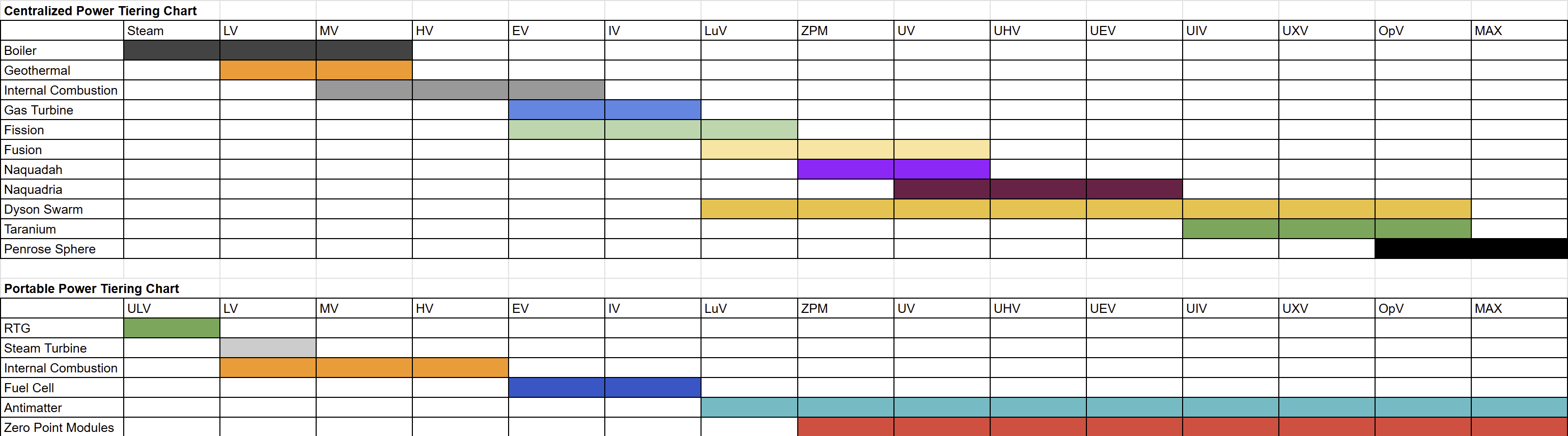
This is, of course, subject to change as we move forwards. I am also planning to add solar power once we finish overhauling semiconductor fabrication in the pack.
Early on, we made the choice of providing multiple competitive paths to generating power. For example, early on, the player can choose to keep using large boilers to burn solid fuels, or geothermal, which requires the player to dig long tunnels to transport heat from deep within the earth. Both methods have their tradeoffs: The boiler ecosystem provides plenty of upgrades for both the boiler and the fuel processing. The player can choose to pyrolyse fuels before burning them to produce useful chemical byproducts and energetically denser fuel and upgrade their boilers to be larger and stronger. Geothermal does not produce similar byproducts, but is safer and more scalable.
In the HV age, the player must explore the intricacies of oil processing. The wide array of products and processing methods that can be implemented for just this one natural resource is kind of insane. There are five methods to crack residues and heavier oil fractions alone, ranging from visbreaking to fluid catalytic cracking with acidic zeolites. The player must again decide what they want from oil and how to process it. The oil age also comes with incremental upgrades in power generation, starting with upgraded lubricants with more complex formulations and ending with the high-tech superalloy-based gas turbine with a combined cycle.

In our most recently-added content, we introduced an in-depth simulation of fission using the mod Supercritical developed by our dev team. With fully customizable nuclear reactors and neutron simulation, we have enabled the player to mess around with different moderators, coolants, control rods, and fuel rods to their hearts content, each simulated with neutron absorbance, thermal and fast neutron capture cross sections, coolant heat capacities, and moderation factors. It can get complex at times, but one of our volunteers has created a design software to test out your reactors before accidentally melting one down in your world! The main goal in Supercritical was to have a huge variety of designs that could suit the player’s needs, but not one design that everyone copied and remade. There are always optimizations and tradeoffs to be made for any design, just like in engineering practice.
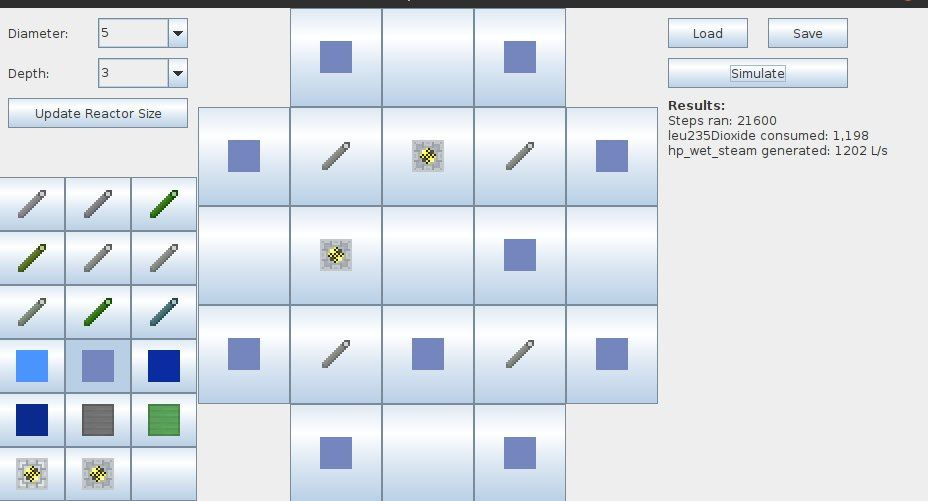
But the nuclear content in Supersymmetry extends much farther than reactor design. Of course, you need to think about how to make all the parts and the fuel for the reactor, as well as waste processing. Uranium processing covers not only the ore extraction and enrichment, but also beneficiation steps, liquid-liquid extractions, fuel pellet sintering, and more. Plutonium can also be extracted from spent fuel rods, which may be used for destruction or even more energy.
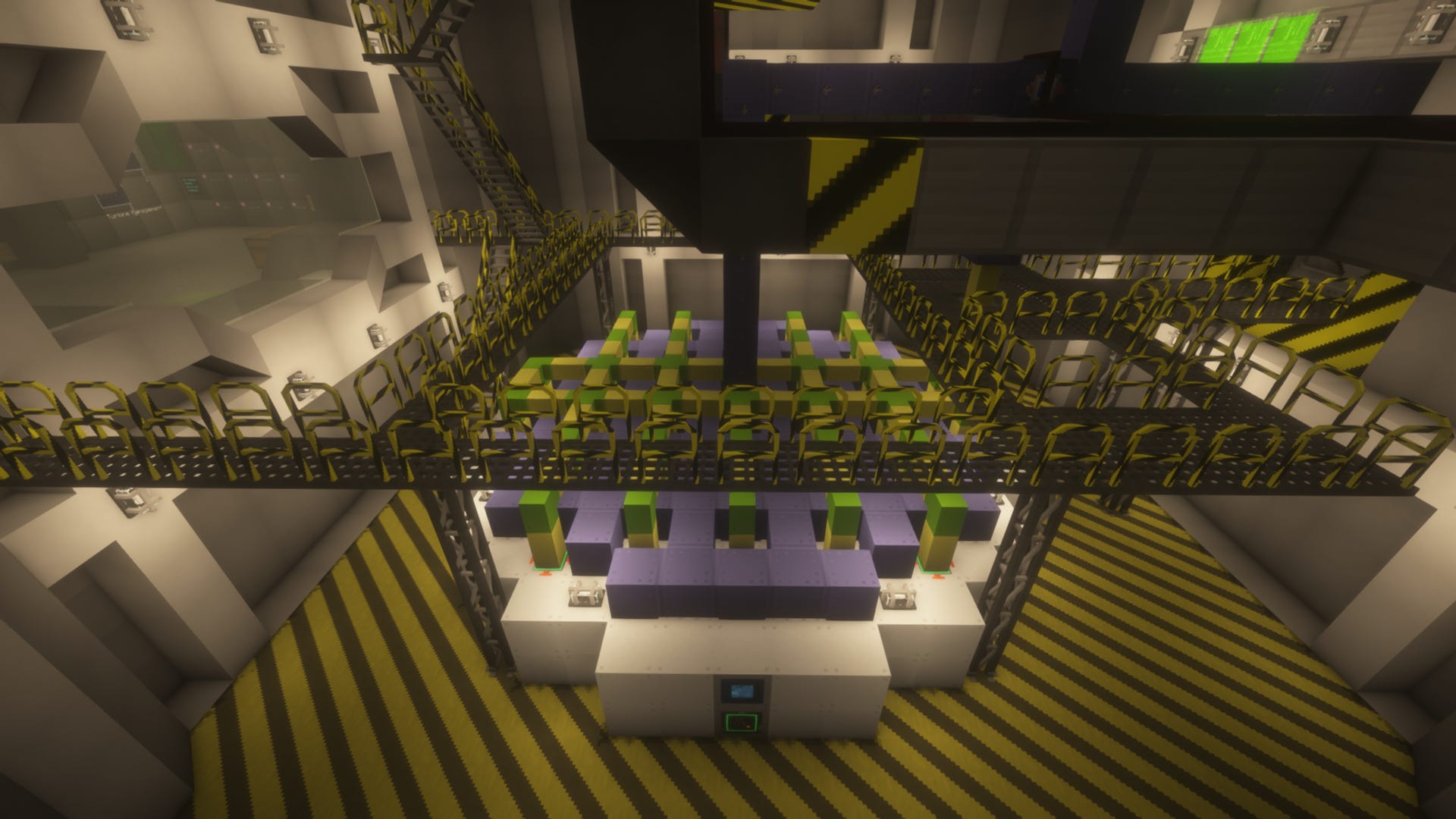
As we look towards future content, the next major player is fusion. We are still in the concept and design phase, but look forwards to fusion fuel processing from tritium breeding blankets, superconducting magnetic coils, and neutron resistant materials. If you’re well advanced in your playthrough, consider stocking up on tritium from a pressurized heavy water fission reactor. You may need it!
- planetme
The oil refining flowchart is just for show lol it isn't the best to follow.
I'm excited for fusion!